
Kljub temu, da se skozi srce nenehno pretaka kri, se v njem le redko razvija rak.
Kako lahko te dokaze uporabimo za izum novega načina zdravljenja raka?
Raziskovalci, ki sodelujejo pri razvoju nove terapije raka z uporabo nosljivih robotov, ki lahko posnemajo srčni utrip, na odru pripovedujejo o svojih izkušnjah v tej pustolovščini. Na odru predstavijo vrhunce svojega projekta, pri čemer strast in znanstveno znanje združijo s pisateljevo sposobnostjo opisovanja in gibanja z besedami, gestami in glasbo.
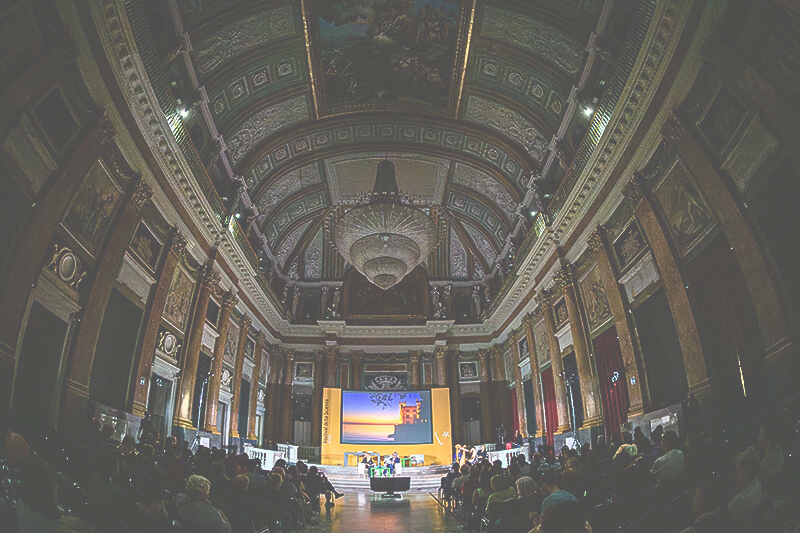
Dogodek je bil izveden na festivalu znanosti v Genovi oktobra 2024, zdaj pa je prirejen za pet italijanskih različic, od tega dve s podpisanimi izvajalci v treh mestih v regiji FVG in Novi Gorici - vključno s tem dogodkom v Vidmu na festivalu Vicino/Lontano.
Serena Zacchigna, vodja laboratorija za kardiovaskularno biologijo ICGEB in predavateljica molekularne biologije na Univerzi v Trstu, ter Domenico Prattichizzo, predavatelj robotike na Univerzi v Sieni in višji znanstvenik na IIT v Genovi, že več let sodelujeta pri razvoju nove terapije proti raku z uporabo nosljivih robotov, ki lahko posnemajo srčni utrip.
Zacchigna in Prattichizzo bosta ob pomoči pisateljice Alessandre Cotoloni in scenaristke Sarite Massai uprizorila igro. Z njima bodo na odru nastopili italijanski in slovenski raziskovalci, ki bodo pripovedovali o svojih izkušnjah v tej pustolovščini premagovanja trenutnih meja znanosti. Z besedami, gestami in glasbo bodo s strastjo in znanstvenim znanjem pripovedovali o najpomembnejših trenutkih svojega projekta.
Pripovedovali bodo o začetnih fazah njihovega srečanja, prvih hipotezah, o ovirah, na katere so naleteli, in o vztrajnosti, s katero so jih poskušali premagati kot ekipa, o navdušenju, s katerim so nadaljevali raziskavo, ki je bila polna neuspehov, a tudi spodbudnih rezultatov. Igra bo uprizorjena s pripovedovalcema v središču, ki bosta pripovedovala svoje zgodbe v italijanščini, v odklopljenem načinu (brez diapozitivov).
Na odru se bodo izmenjavali liki te pustolovščine, Serena, Domenico in mladi raziskovalci v svojih laboratorijih. Izvirna in očarljiva metoda, s katero boste občinstvo navdušili, se potopili v svet znanstvenega raziskovanja in raziskali, kaj nas lahko raziskave naučijo o premagovanju meja.
Informacije o jeziku
Jezik dogodka: IT Zvočni prevodi: IT
Dostopnost
Dostop brez stopnic/ovir Vizualna navodila Invalidski voziček
Storitve
Sanitarije
Kontakt