
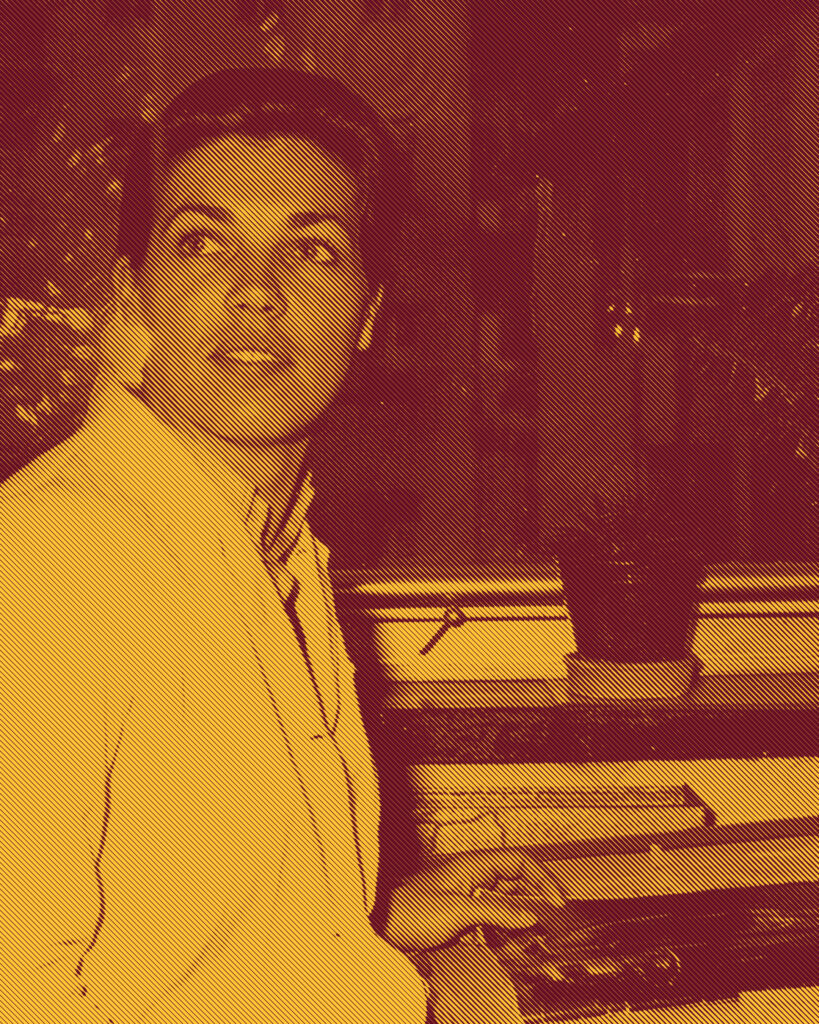
Odprtje razstave bo v četrtek, 21. maja, ob 18.00.
Temeljni poudarki, ki jim je v svojem načrtovalskem delu dosledno sledila Biba Bertok, so funkcionalnost, oblika, proizvodno-tehnološke zahteve (zlasti tipizacija in standardizacija), tržna uspešnost in humanost bivanja. V svoji profesionalni karieri je zasnovala več kot štirideset pohištvenih programov, večinoma namenjenih serijski proizvodnji.
Bila je med tistimi arhitekti in industrijskimi oblikovalci, ki so trdno zagovarjali stališče, da je oblikovanje pomemben del vsakega proizvoda. V stroki je prepoznavala dve temeljni poti: na eni strani pot vrhunskih oblikovalcev in oblikovalk, ki utirajo vizije prihodnosti, na drugi pa tistih – v slovenskem prostoru pogosto spregledanih – ki delujejo znotraj vsakdanjega življenja in proizvodnje. Kot je zapisala, so ti drugi »prizadevni oblikovalci«, ki ob dvigu estetske ravni težijo tudi k »dvigu kakovosti na vseh ravneh« – bivanja, razvoja in proizvodnje. In mednje nedvomno sodi tudi protagonistka pričujoče razstave.
Navzlic pregovorni počasnosti in rigidnosti proizvajalcev pohištvenih programov – kar potrjuje tudi dejstvo, da se je Biba Bertok kljub številnim nagradam in tržnim uspehom pri sodelovanju z velikimi podjetji pogosto soočala z odporom konservativno usmerjenih komercialnih struktur – je kot enega ključnih ciljev svojega dela izpostavljala »humanost bivanja v današnjih betonskih celicah spalnih naselij«. Ta cilj je dosegala z uporabo barve in tekstila ter z visoko stopnjo prilagodljivosti pohištva različnim uporabniškim potrebam, prostorskim danostim in finančnim zmožnostim.
Ob tem je do potankosti razumela tehnične pogoje visoko industrializirane proizvodnje in v skladu z njimi svoje delo načrtno nadgrajevala. Kot je zapisala, si je prizadevala »učinkovito izkoriščati razpoložljive proizvodno-tehnološke možnosti«, da bi dosegla »kakovostno raven, ki je nad povprečjem v primerjavi s sorodnimi programi«.
Vse našteto je jasno začrtala že s svojimi prvimi garderobnimi sestavi, ustvarjenimi v Alplesu. Izbrala je pot sistemizacije pohištvenih elementov, ki je ostala njeno vodilo skozi celotno kariero. Kot del tega pristopa je pionirsko razvijala tudi univerzalno pohištveno vez, za katero je kasneje pridobila patent. Pomenljivo je, da ji je na tej poti s svojo različico pohištvenega sistema (Futura) sledil tudi v slovenskem prostoru veliko bolj prepoznani industrijski oblikovalec Niko Kralj.
Premišljeni sistemski pristop Bibe Bertok k oblikovanju je omogočil, da so njeni pohištveni programi – med njimi zlasti Manta – presegli slovenski in jugoslovanski prostor ter trgovskemu podjetju Slovenijales odprli pot na zahtevna tuja tržišča, in to z lastnim znanjem. Hkrati je Manta postala nosilni proizvodni program, ki je za proizvajalca pomenil »konec večletnega splošnega nazadovanja, programskih improvizacij ter poslovne neuspešnosti«. Med pomembne inovacije poznega obdobja Bibe Bertok sodi tudi pohištveni program Plima (1988), ki je vključeval jedilno mizo z izvirno zasnovanim mehanizmom za razširitev in z raznolikimi načini uporabe.
S svojim delom je oblikovalka odločilno zaznamovala razvoj sistemskega pohištva v Sloveniji in sodi med njegove pionirje. Razstava s prvo razgrnitvijo njenega opusa spodbuja nadaljnje raziskovanje, dopolnitve in reinterpretacije – tudi v kontekstu razumevanja in vrednotenja vloge žensk v industriji vsakdanjih predmetov ter v oblikovanju nasploh.
Kustosinji
Špela Šubic, Barbara Predan
Oblikovanje razstave: Janez Mesarič
Koordinatorica projekta: Blažka Kirm
Tehnična izvedba: Matija Cvetičanin, Tine Drašak, Eva Đ., Ana Lilija, Nils Rošker, Patricija Šošter, Martin Tomažič, Asja Trost, Tadej Golob, Matjaž Rozina
Zahvale: Nanja Bertok Dragić, Maša Bertok Duh, Domen Anžlovar, Marja Grahek, Majda Pipan, Sabrina Povšič Štimec in Monika Povšič, Marjana Rejc, Katja Šturm, družina Zupan, Slovenski etnografski muzej
Soorganizatorja: Akademija za likovno umetnost in oblikovanje, Univerza v Ljubljani in Društvo Pekinpah
—
SPREMLJEVALNI PROGRAM
Vodeni ogledi razstave
7. 6. ob 11.00
20. 6. ob 19.00
12. 7. ob 11.00
9. 8. ob 11.00
6. 9. ob 11.00
4. 10. ob 11.00
Ustvarjalne delavnice
7. 6. ob 11.00 – Miniaturno pop-up pohištvo
4. 10. ob 11.00 – Mucka, putka, slon
Razstava je nastala v okviru raziskovalnega programa P5-0452 – Vizualna pismenost na Univerzi v Ljubljani, Akademiji za likovno umetnost in oblikovanje , ki ga sofinancira Javna agencija za znanstvenoraziskovalno in inovacijsko dejavnost Republike Slovenije (ARIS).
Razstavo podpirata: